
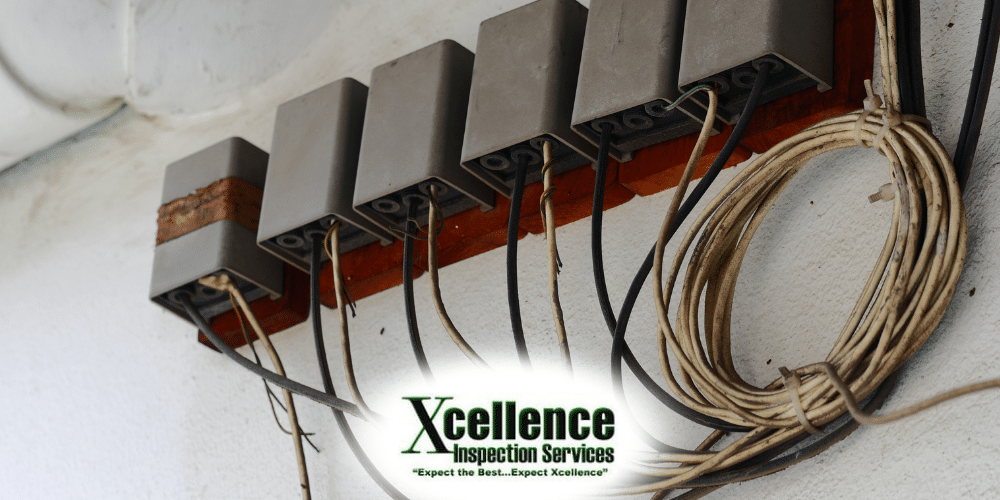
 Older homes across Chicago and its surrounding suburbs have a lot of character—but they can also hide electrical systems that no longer meet modern safety expectations. Many homeowners and buyers ask how to tell if a house still has outdated wiring, fuse panels, or a knob-and-tube electrical system.
Understanding the signs doesn’t require technical knowledge. With a few observations and the right inspection, you can make informed decisions without unnecessary worry.
Why Older Electrical Systems Deserve Attention
Electrical standards have changed significantly over the last century. Homes built before the 1960s were designed for fewer appliances, lower electrical loads, and different safety assumptions.
That doesn’t mean every older system is unsafe—but it does mean some components may no longer be appropriate for today’s usage or expectations. The goal is awareness, not alarm.
Buying an older home often means inheriting electrical systems from a different era. A detailed residential home inspection in Chicago helps identify outdated wiring, panel limitations, and visible safety concerns so buyers can plan appropriately before closing.
Common Electrical Systems Found In Older Homes
Fuse Panels Instead of Circuit Breakers
If your electrical panel uses screw-in fuses rather than breaker switches, the home likely has a fuse panel.
What to know:
- Fuse panels were common in homes built before the 1950s
- They can function properly when maintained
- They often lack the capacity for modern electrical demand
A fuse panel isn’t automatically dangerous, but it’s a strong indicator that other parts of the system may also be older.
 Knob-and-Tube Wiring
Knob-and-tube wiring was installed primarily between the late 1800s and 1930s. You might spot ceramic knobs, tubes, or cloth-wrapped wires in unfinished basements or attics.
Key signs include:
- Porcelain knobs attached to the framing
- Wires passing through ceramic tubes
- No grounding wire present
This type of wiring wasn’t designed for modern insulation or appliance loads, which is why inspectors pay close attention to it.
Cloth-Sheathed or Ungrounded Wiring
Some homes have wiring that looks newer than knob-and-tube but still lacks grounding or modern insulation.
Cloth-sheathed wiring may appear:
- Brittle or frayed
- Discolored from age or heat
- Ungrounded at outlets
This wiring is often found in mid-century homes and warrants evaluation.
If you’re preparing to sell an older property, a pre-listing inspection in Chicago can help uncover electrical concerns early, allowing time for informed decisions and smoother negotiations once buyers begin their inspections.
What Home Inspectors Look For
During a home inspection, an inspector evaluates electrical systems for age, condition, and visible safety concerns. This includes:
- Panel type and labeling
- Evidence of modifications or repairs
- Signs of overheating or improper connections
- Grounding and bonding where visible
- Compatibility with modern electrical usage
“In older homes, we’re not just identifying what’s original—we’re looking at how the system has aged and whether updates were done correctly over time.”— Sean Bacon, Xcellence Inspection Services
Common Questions Buyers Ask
Is outdated wiring always unsafe?
Not necessarily. Some older systems can function adequately if they’re in good condition and haven’t been improperly modified.
Can I tell just by looking at outlets?
Two-prong outlets may suggest ungrounded wiring, but they don’t tell the whole story. An inspection provides a clearer picture.
Will this affect buying or selling a home?
Knowing what you’re working with helps buyers and sellers plan appropriately and avoid surprises later.
Why This Matters for Chicago-Area Homes
Many homes in Chicago and nearby suburbs were built during periods when fuse panels and early wiring methods were standard. Seasonal temperature changes, renovations over decades, and modern appliance use can all impact older systems.
Understanding the electrical setup helps homeowners prioritize maintenance and upgrades thoughtfully.
What Homeowners and Buyers Should Do Next
If you suspect outdated electrical components:
- Avoid DIY electrical changes
- Schedule a professional home inspection
- Ask questions about visible wiring and panel type
- Use inspection findings to guide next steps
The goal is clarity and confidence—not pressure.